


Guides for launching a mechanic marketplace

Notes from building and running GudToGo: what makes these businesses work, and where new operators usually get stuck.

A hatchback parked on a city street

Pick your first city like an operator, not a marketer

6 minute read

The temptation is to launch everywhere at once. Don't. A mechanic marketplace only feels instant when there are enough mechanics close to every driver, and density is local.

What a good first city has

  • A large number of cars and two-wheelers on the road every day, and regular congestion that causes breakdowns.
  • Plenty of independent workshops that are short of work on weekdays.
  • A place you or your team can visit every week to sign mechanics in person.

Start with a few neighbourhoods inside that city rather than the whole map. The SOS search starts at 2 km and widens step by step, so a tight cluster of approved mechanics answers faster than the same number spread across a metro.

When drivers in your cluster get help in minutes, word of mouth starts doing your marketing. That's the moment to add the next area, which in GudToGo is a new city in the admin panel and a few targeted push broadcasts.
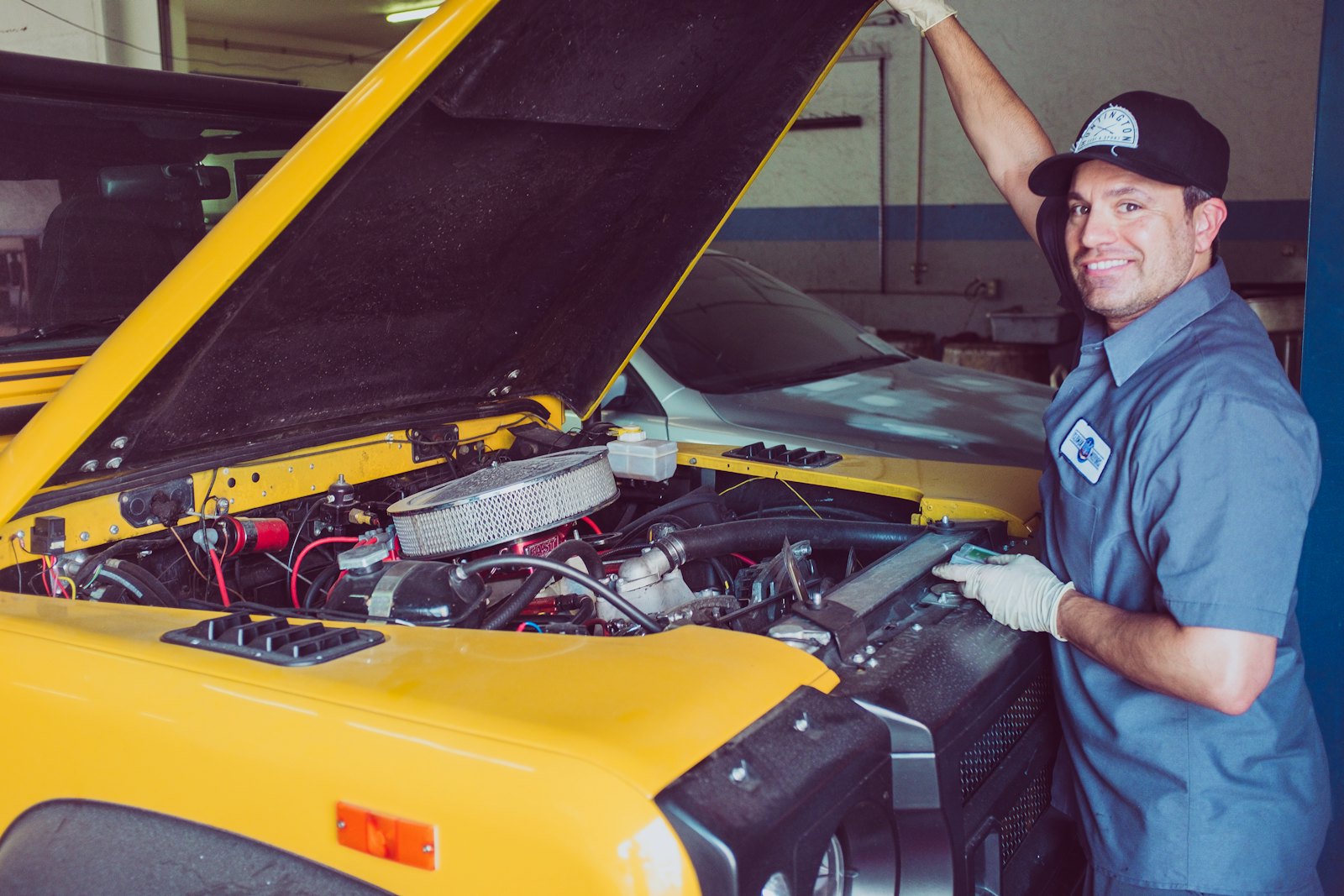

A mechanic checking a car under the bonnet

Sign mechanics before you advertise to drivers

5 minute read

A driver who taps SOS and gets "no mechanic found" rarely gives you a second chance. Supply has to come first.

Visit workshops with the mechanic app already installed on your phone. Show them the earnings wallet and the job alerts, then help them create their business, upload their documents and set their working hours on the spot. Approve them in the admin panel the same day so they see their first job quickly.

Keep the first mechanics happy

  • Process their first cash-out requests fast. Trust in payouts is everything.
  • Help them build packages for the most common vehicle models, with clear prices.
  • Use their first five-star reviews in your launch posts.

Only when a test SOS anywhere in your launch area gets a response within a minute or two is it time to switch on driver marketing.

A rider on an open road

Why roadside SOS is the job that grows your brand

4 minute read

Scheduled services, such as an oil change or a car wash, are steady and predictable. SOS jobs, such as a flat tyre or a dead battery, are where drivers decide which app to keep on their phone.

A driver stuck on the roadside remembers who turned up. That moment is worth more than any discount, and drivers who are rescued once tend to book their routine services with the same app later.

Price SOS jobs honestly and visibly. GudToGo shows a base fare plus a per-km rate before the request goes out, so there's no argument at the roadside. Set both per service in the admin panel, and review them every month as you learn your real travel times.

A customer paying at a service counter

Setting a commission mechanics will accept

5 minute read

Your commission is your revenue, but it's also the price mechanics pay for the jobs you send them. Set it too high and the good ones leave. Set it too low and you can't afford to grow.

GudToGo ships with a 16% commission on completed jobs. When a job is submitted, the mechanic's wallet is credited with the job value minus that share. It's a sensible starting point for a new market.

Ways operators adjust it

  • Lower it for the first months in a new city while you recruit mechanics.
  • Review it every quarter, once you know your real job volume and repeat rate.
  • Earn more from parts instead: mechanics order stock through the inventory store, and the margin is yours.

Use the revenue calculator to see how volume, job value and commission work out for your plans.

Ready to try it in your city?

Book a 30-minute demo. We will install the customer and mechanic apps on your phone, walk you through the admin panel, and send a proposal for your market.